For New Zealand players, a casino’s game library is about more than the number of titles on its lobby page. Software providers shape how games look, sound and play, while also determining which formats are available, from classic fruit machines to live-dealer tables. This review looks at the provider mix associated with all slots casino and explains what to check before choosing a game.
Provider information and game availability can change, and a title may not be accessible in every location. Treat the details below as a guide to evaluating a casino lobby rather than a guarantee that a particular game or supplier will always be available to New Zealand residents. Before signing up or depositing, read the current terms and confirm that the service is lawful and suitable for you.
Why game providers matter
A game provider, also called a developer or studio, creates the software used for slots, table games and sometimes live casino products. Providers differ in visual style, bonus mechanics, volatility and the way their games perform on mobile devices. Some focus on straightforward reels and familiar features; others build elaborate themes, cascading wins, expanding wilds or progressive jackpots.
That distinction matters because a large lobby does not automatically mean a better playing experience. A casino might list hundreds of games, but players may prefer a smaller selection from studios whose controls are easy to understand and whose rules are clearly displayed. Checking the provider name can help you find games with a style you already enjoy, while exploring unfamiliar developers can reveal new mechanics.
What to look for in the provider mix
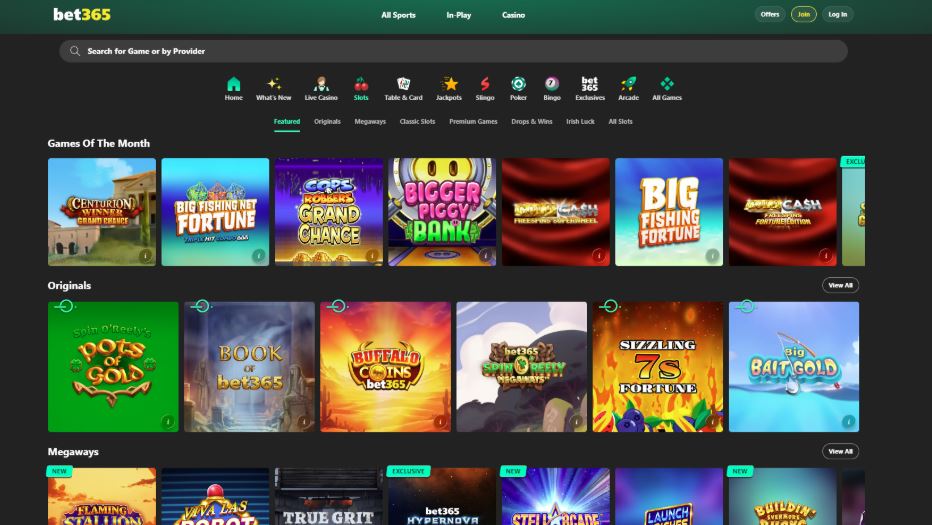
Variety across game styles
A balanced collection usually includes several kinds of slots: traditional three-reel games, video slots with multiple paylines, feature-rich titles and games with different volatility levels. Table games and live-dealer options may add variety, although their availability depends on the casino’s current catalogue and local access. Look beyond headline game counts and consider whether the categories you actually play are represented.
New Zealand players may also want to check whether a title loads reliably on their usual device and internet connection. A well-designed mobile game should have readable paytables, responsive buttons and controls that do not obscure the reels. The provider’s game information should explain how to adjust the stake, access help and review the rules.
Transparency and fairness information
Reputable games display their rules and important mathematical information inside the game or in its help section. Return to player (RTP) is a theoretical long-term percentage, not a forecast of what an individual will win. A game’s volatility describes how its results tend to be distributed: higher-volatility titles may have longer quiet periods and less frequent, larger wins, while lower-volatility games may pay smaller amounts more often. Neither characteristic guarantees a result.
Look for clear information about bonus rounds, paylines, maximum stakes and any special features. If a game has a progressive jackpot, check how contributions work and whether the jackpot has separate eligibility conditions. The casino’s own terms may apply as well, particularly to promotions and withdrawals.
How to assess a provider before playing
Start with the game’s information panel. Confirm the provider name, read the rules and check the displayed RTP where available. If a demo version is offered, use it to learn the controls and features without risking money. Demo play is useful for familiarity, but it cannot predict real-money outcomes or prove that a game will be profitable.
Next, review the casino itself. Check who operates the site, what licence or regulatory oversight it claims, how it handles complaints, and which payment and identity-verification rules apply. New Zealand players should not assume that a casino is approved or protected simply because it accepts NZD or displays familiar game studios. Verify current legal and regulatory information independently before using a gambling service.
Finally, test the experience cautiously. Pages should load securely, support options should be easy to find and the terms should be understandable. Avoid depositing until you know the minimum and maximum limits, withdrawal process, bonus restrictions and any verification requirements. If a provider or game behaves unexpectedly, stop playing and contact the casino through its official support channel.
Questions and answers
Does a well-known provider make a slot fair?
A familiar name can be one useful signal, but it is not enough on its own to establish that a particular casino or game is suitable. Check the game’s rules and fairness information, and research the operator’s licensing and oversight separately. A provider’s reputation does not remove the inherent risk of gambling.
Can I compare games by RTP?
You can use displayed RTP values as one point of comparison, provided you understand their limits. RTP describes a theoretical return over a very large number of plays, not a promised return for one session. Different versions or configurations of a game may have different settings, so rely on the information shown in the version you are considering.
Are demo games the same as real-money games?
Demo mode can help you learn a game’s layout and bonus features. However, it does not reproduce the financial consequences of real-money play, and results in a short demo session say nothing reliable about future outcomes. Use it for familiarisation, not as a method for predicting wins.
Why might a game be missing from the lobby?
Game availability can depend on a provider agreement, technical maintenance, location restrictions or a casino’s changing catalogue. A title may also appear under a different category or search term. If it is unavailable, check the casino’s current information rather than assuming that an old listing is still accurate.
Responsible play for New Zealand players
Slots are games of chance, and no provider, strategy or betting pattern can guarantee a win. Set a budget before you begin and treat it as entertainment spending, not income. Decide in advance how long you will play, take breaks and never chase losses by raising your stake. A win is not evidence that the next spin is more likely to pay, and a losing streak does not mean a payout is due.
Use account limits and time-out tools if the casino offers them. Do not gamble with money needed for rent, bills, food or other essentials, and avoid playing when distressed, intoxicated or under pressure. If gambling is affecting your finances or relationships, stop and seek help from a trusted person or a relevant New Zealand support service. Keeping play controlled is more important than finding a particular provider or chasing a bonus.
Verdict
The provider mix is a practical way to explore the range of games associated with all slots casino, but it should be only one part of a player’s decision. Compare the actual titles available, inspect their rules and features, and consider whether the site works well on your device. Give equal attention to the operator’s terms, regulatory position, payment procedures and responsible-gambling tools.
For New Zealand players, the most useful approach is careful and low-pressure: confirm that access is appropriate, try a demo when available, set a firm spending limit and remember that outcomes are uncertain. A diverse catalogue can make browsing more interesting, but it cannot remove the risks of gambling or turn a slot into a dependable source of money.